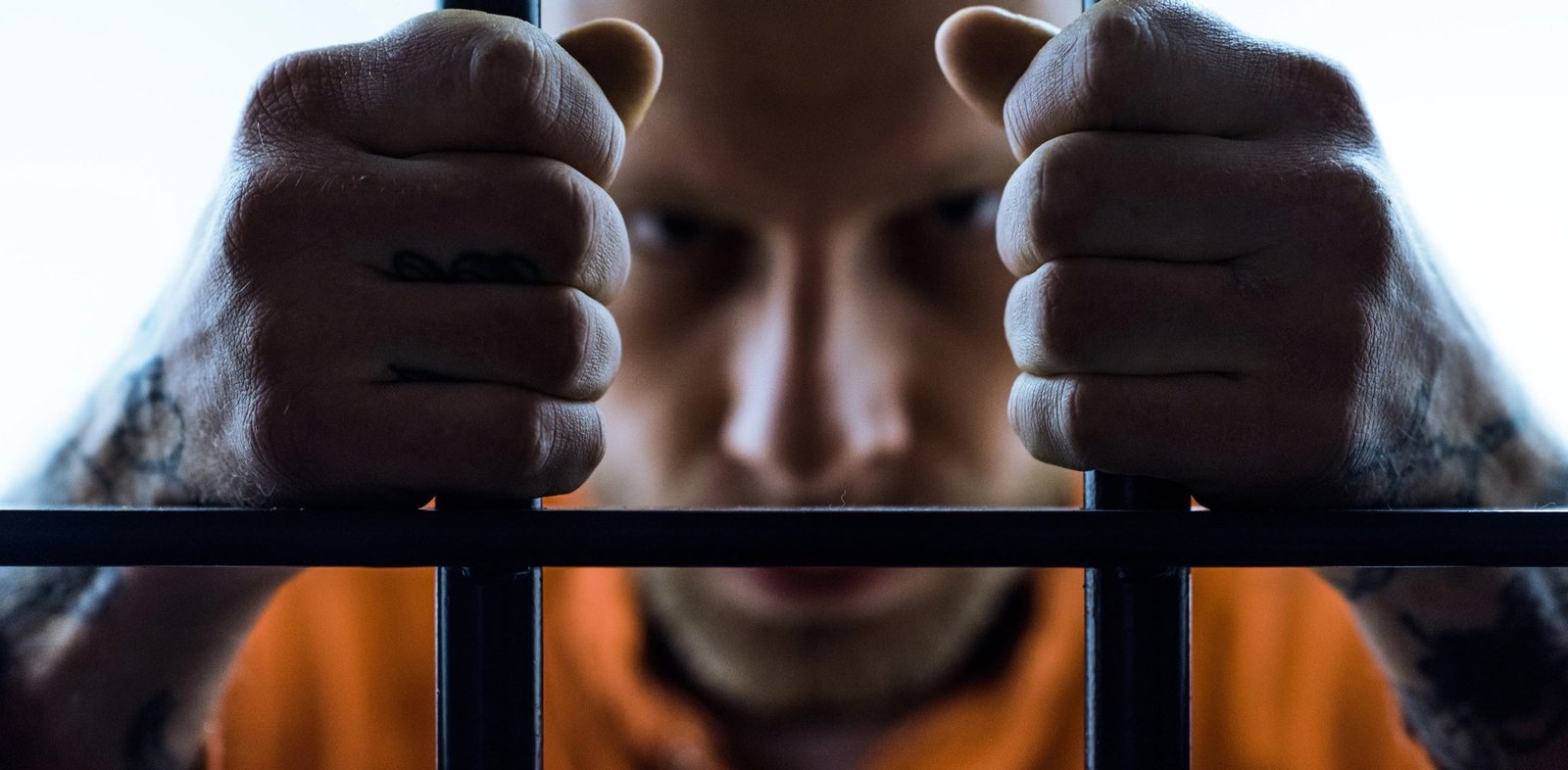
Life after a felony conviction can feel like a constant uphill battle. You want stability, and to work like anybody else. It can be hard to find a job — not every employer offers felon friendly jobs, and many second chance opportunities never show up. It’s normal to start wondering:
“Can a felon start a business? Can a felon actually open a business of their own and turn their life around?”
These questions come up for almost everyone trying to rebuild after prison. When traditional jobs for felons are limited and you’re unsure what jobs felons can have, it’s easy to feel stuck.
But here’s the truth: yes, you can start a business with a felony.
Yes — in most cases, a felon can legally start a business.
A criminal record does not stop you from:
| Path | What It Means |
|---|---|
| Open a business | Start something small on your own. |
| Self-employment | Work for yourself instead of a company. |
| Offer services | Cleaning, repairs, lawn care, tutoring, etc. |
| Freelance work | Online work using your skills. |
| Resell items | Buy low, sell higher. |
| Simple service business | Cleaning, repair, fitness, or digital work. |
Only a few industries have licensing limitations (for example: real estate, private security, finance, aviation, or legal professions).
But the majority of business types remain fully open.
So the short, honest answer is:
This is why entrepreneurship has become one of the strongest second-chance opportunities today.
Why It's Hard
What Works
Entrepreneurship is possible, but that doesn’t mean it’s easy.
Below are the most common concerns — and real solutions that actually work.
| The Challenge | Why It Happens | The Simple Solution |
|---|---|---|
| 1. I can’t save money because no one will hire me | Employers reject based on background, not effort. | Start with felon-friendly jobs: warehouses, factories, construction, cleaning, kitchens, basic labor, painting, landscaping, delivery. Save small amounts to build your foundation. |
| 2. Banks won’t approve me for a loan | Most beginners (even without a record) don’t qualify. Banks want stability, not potential. | Choose business models with almost zero startup cost. Use what you already have: your hands, skills, phone, basic tools, effort. Your income becomes your fuel. |
| 3. People might not trust me | Fear, stigma, and assumptions make trust harder at the start. | Pick trust-through-action services: cleaning, lawn care, repairs, handyman tasks, tutoring, fitness coaching, reselling, freelance work. Consistency builds reputation. |
| 4. I don’t know what I’m allowed to do | Many fields have licenses or restrictions, causing confusion. | Start in open, non-licensed work: home services, digital services, fitness, reselling, delivery (case-dependent), outdoor labor, coaching, cleaning, repairs. Simple, legal, fast to start. |

Source: inmatestoentrepreneurs
Most people don’t expect this — but they should.
When someone with a record steps back into society, they face walls that most people never see: employers who say no instantly, background checks that close doors, and opportunities that disappear before they even begin.
And yet, the numbers tell a different story:
Formerly incarcerated individuals are about 41% more likely to become self-employed entrepreneurs.
Roughly 19% start their own business.
Up to 24% report being fully self-employed.
This isn’t luck — it’s mindset.
Many people hit rock bottom, and that moment becomes the turning point. When everything has collapsed, you either stay down or you rebuild yourself from the ground up. That kind of pressure creates something most people never develop:
a survival-driven work ethic, extreme resourcefulness, and a mindset built for entrepreneurship.
People who’ve faced the system, rejection, and judgment learn to depend on themselves. They learn to adapt fast, solve problems under stress, and take responsibility in ways most people never have to. These aren’t weaknesses. These are entrepreneurial strengths.
This means that if you’re reading this article, you probably already check the first box, read about mindset to enhance your work ethic.
They’ve already survived worse and know how to keep going when most people quit.
They make things work with whatever they have — no excuses, only solutions.
When life forces change, they adjust fast and keep moving forward.
Hitting rock bottom creates a different kind of hunger and internal drive.
Business stress feels small compared to the real pressure they’ve already faced.
When everything has been taken from you, you learn the value of owning your life.
You don’t need much money to get started. The best options are simple, low-barrier ideas that rely on work ethic, not licenses.
Cleaning, yard work, landscaping, painting, junk removal, moving help, and basic outdoor tasks.
These require minimal tools and are easy to start immediately.
Handyman jobs, small repairs, furniture assembly, basic carpentry, or auto-detailing.
People pay well for reliability — not certificates.
Tutoring, fitness coaching, digital tasks, customer support, writing, editing, or basic computer help.
These rely on your time and consistency.

The safest way to start is simple:
Use your job as your stability.
Use your business as your future.
Your job pays the bills, keeps you steady, and removes pressure.
Your business grows slowly in the extra hours — early mornings, evenings, weekends.
You don’t need 6 hours a day.
You only need consistent hours.
2 hours a day for 6 months beats 10 hours for 2 weeks.
The biggest mistake is trying to save “whatever’s left.”
That never works.
Instead:
You don’t need a huge amount of money to start.
What you really need is discipline and separation — don’t mix business money with personal money.
A lot of ex-felons (and honestly, new entrepreneurs in general) make the same mistake:
They try to offer everything.
Instead, you need one clear offer.
One thing you can execute perfectly.
One thing people trust you for.
Examples:
A killer product isn’t about complexity.
It’s about being the best at ONE simple thing.
When people trust you for something specific, they come back — and they refer you.
Nobody cares about your past when your results speak louder.
You don’t need a website in the beginning.
Just collect three things:
These become your proof.
Show these to new clients, and 80% of the trust problem disappears instantly.
Here are the traps that hold people back — and how to avoid them:
| Mistake | Solution |
|---|---|
| Taking on too much too fast | Start with one offer, one service, one type of client. |
| Not tracking income | Write down every job, cost, and payment — even in a simple notes app. |
| Spending too early | Reinvest your first earnings into tools, equipment, or training. |
| Working hard but not smart | Improve your fastest skill. Better skills → better clients → better pay. |
| Letting shame slow you down | Focus on quality work. Strong results make your past irrelevant. |
Simple
One clear path
Same type of work, repeated for the same type of client.
Easy to start. Easy to track. Easy to grow.
Not simple
Many changing paths
Different offers, tools, platforms, and client types at once.
Looks busy. Feels chaotic. Hard to know what actually works.
A lot of people overcomplicate entrepreneurship.
But the formula for building a second-chance business is actually straightforward:
You don’t need a big plan.
You need small, controlled steps taken consistently.
Most people with a record try to “repair” their life.
But the truth is: you’re not repairing anything.
You’re building something new.
Entrepreneurship works for felons not because it’s easy — but because it gives you:
Your past may be part of your story, but it doesn’t have to be part of your work.
So, can a felon open a business?
Yes — and not only is it possible, but thousands do it every single year.
Your past may make the beginning harder, but it does not define the future you build.
If you stay consistent, pick something realistic, and start small, you can:
Entrepreneurship isn’t about where you start — it’s about what you do next.